




Preventive and Interceptive Treatments
Tooth eruption, risk of space loss and oral habits are monitored during the growth period.
 TRWhatsApp
TREATMENTS
A child's growth and development period is the golden age when orthodontic problems can most easily be resolved without surgery. The right intervention at an early age prevents severe jaw disorders and complex wire treatments that could otherwise arise later.

WHAT IS IT?
Because children's jawbones are still flexible and developing, guiding bone growth is remarkably easy. Early-phase orthodontic interventions (preventive and interceptive orthodontics) do more than just straighten teeth — they also positively affect facial symmetry, breathing quality and speech function.
AREAS OF APPLICATION
Tooth eruption, risk of space loss and oral habits are monitored during the growth period.

In suitable cases, jaw growth is guided with custom appliances that take advantage of growth potential.
These images are representative studies prepared to explain the anatomy and treatment approach; they do not show a personal treatment plan or result.
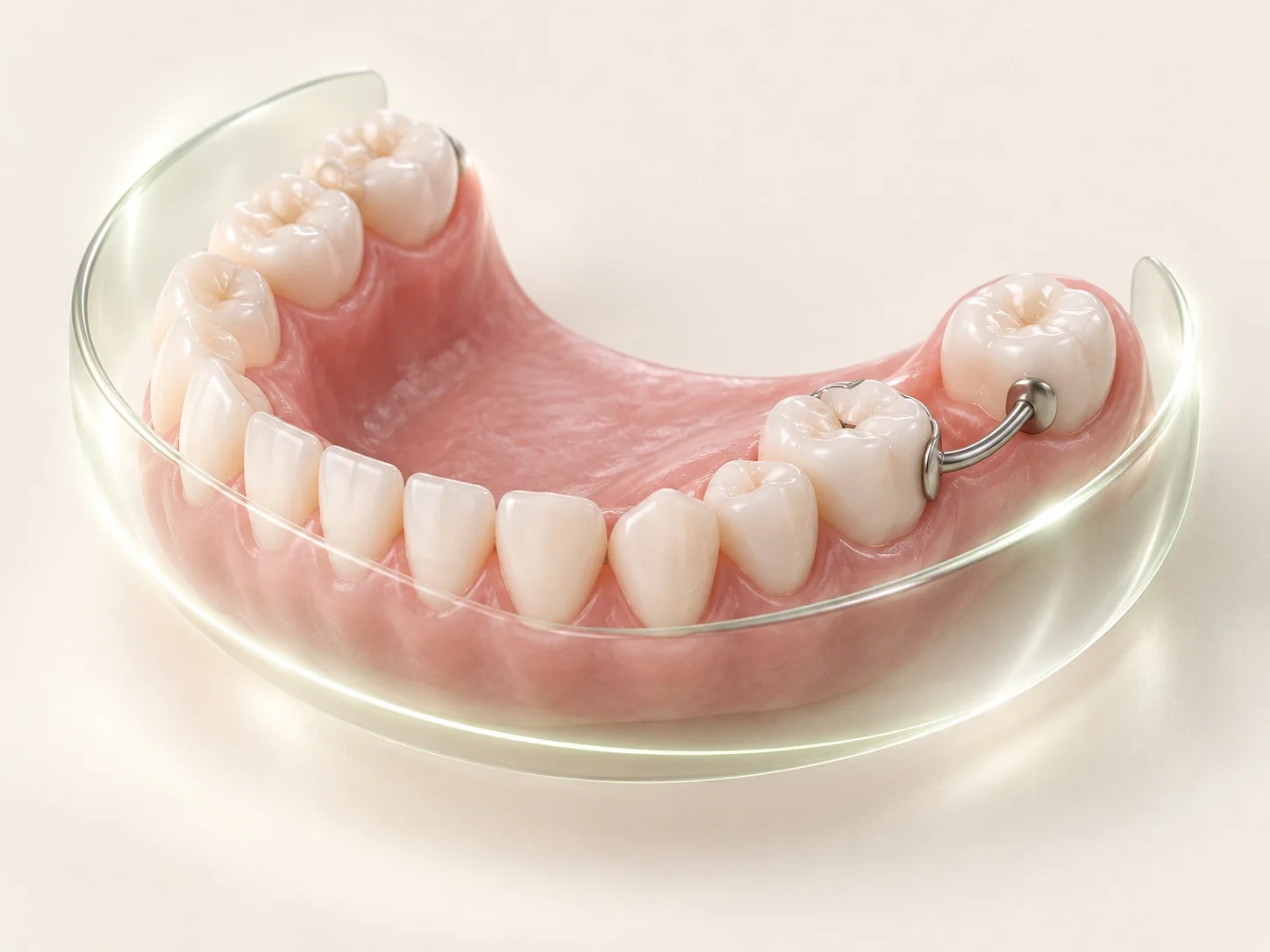
A representative appliance study illustrating the preservation of available space after early tooth loss.
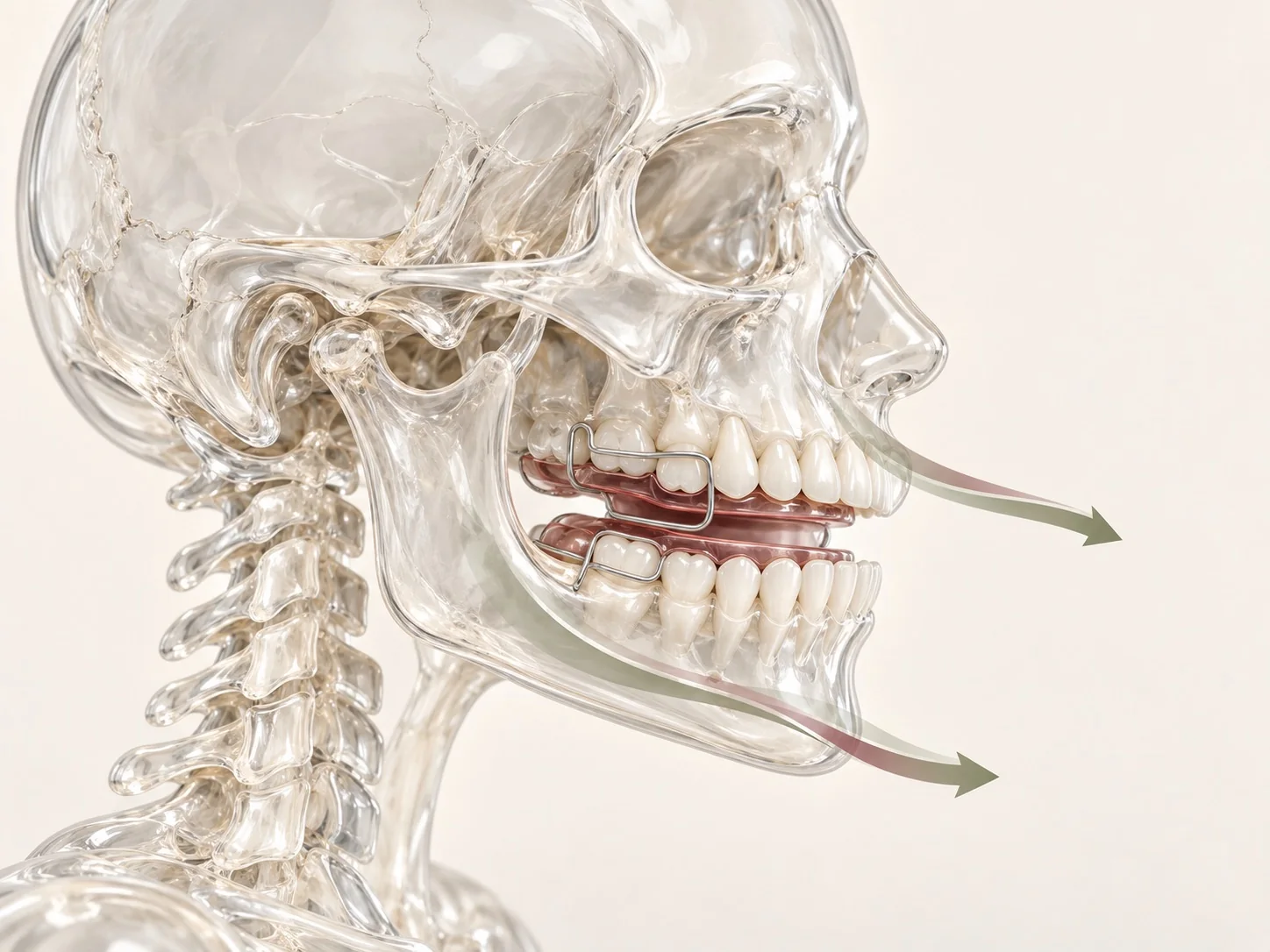
A representative model illustrating the assessment of jaw development and the appliance approach.
SITUATIONS IT MAY BE CONSIDERED FOR
PROCESS
A detailed clinical and radiological assessment is made around age 6–7, when permanent teeth begin to erupt.
A removable or fixed appliance suited to the child’s age and needs is prepared.
While the child uses the appliance regularly, the dentist monitors jaw development at monthly routines.
Once all permanent teeth are in, a short alignment phase (wires or clear aligners) is applied if still necessary.
FREQUENTLY ASKED QUESTIONS
The globally accepted standard is for children to be examined by an orthodontist before age 7, even if there is no apparent complaint.
Appliances can be made in colors and patterns that appeal to children. Children generally adapt fully to their appliance within 3–5 days.
Early treatment corrects the skeletal framework. It may eliminate the future need for wires altogether, or make any later treatment much shorter and simpler.
This content is for general informational purposes; it does not replace a personal diagnosis or treatment recommendation.