




Metal Braces Treatment
Durable metal brackets help guide tooth movement in a controlled way.
 TRWhatsApp
TREATMENTS
Fixed braces treatment is the most established and reliable method of achieving an ideal bite and aesthetics, applying precise forces to your teeth through brackets bonded to the tooth surface and archwires that connect them.

WHAT IS IT?
The small retaining pieces bonded to teeth with special adhesive agents are called brackets, and the wires that pass through them to guide the teeth are called archwires. Fixed treatments allow teeth to be moved precisely in all three dimensions (left/right, up/down, and around their own axis).
TREATMENT OPTIONS
Durable metal brackets help guide tooth movement in a controlled way.

Porcelain or sapphire brackets offer a less visible fixed-treatment alternative.
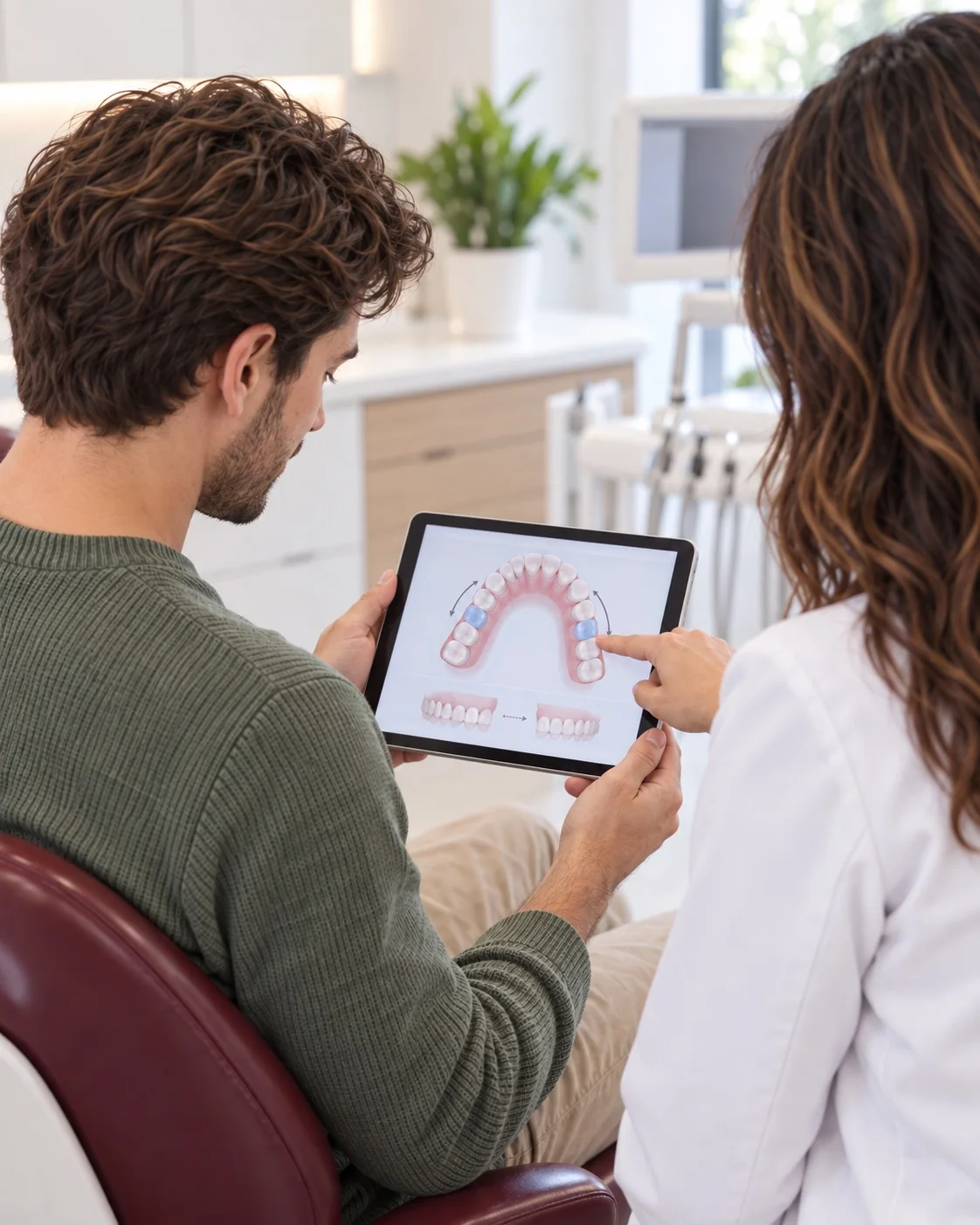
In cases where space is needed, the decision to extract is made by evaluating facial profile and bite together.
MATERIAL & DETAIL
For porcelain, sapphire or ceramic-look bracket options, the material choice is made by considering aesthetic expectations, clinical need and usage conditions together. The studies below represent the material and form approach, not the treatment outcome.
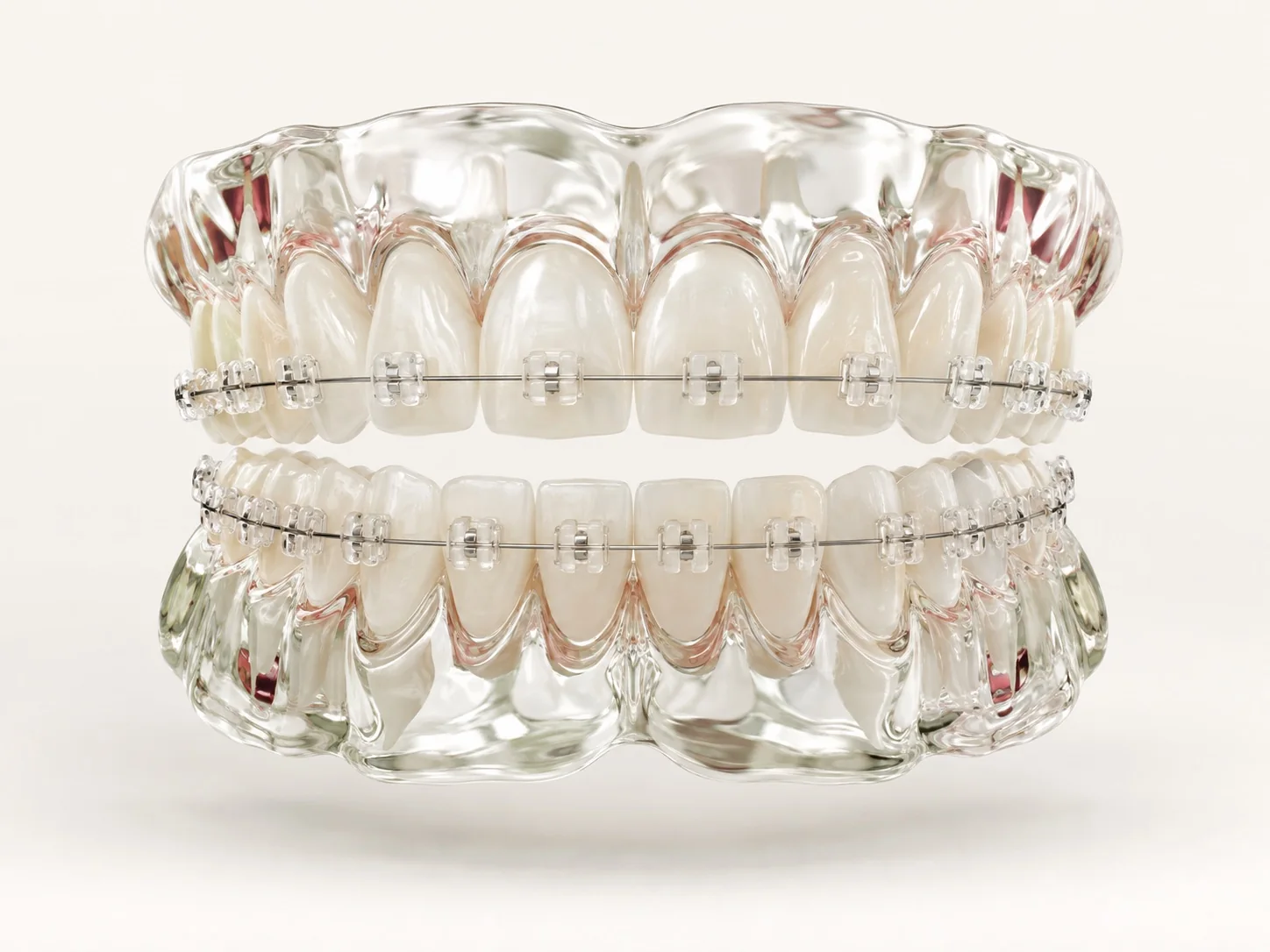
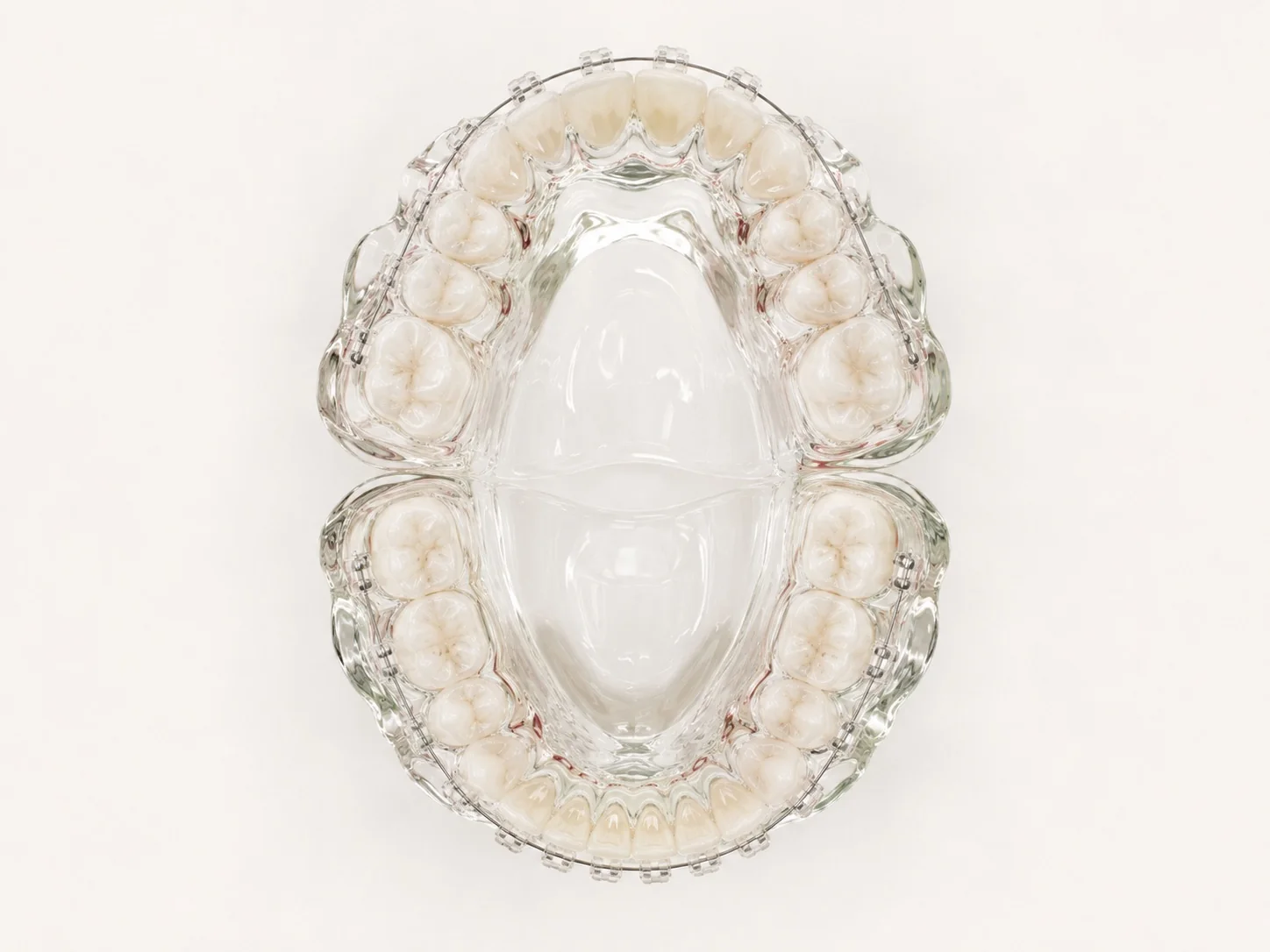
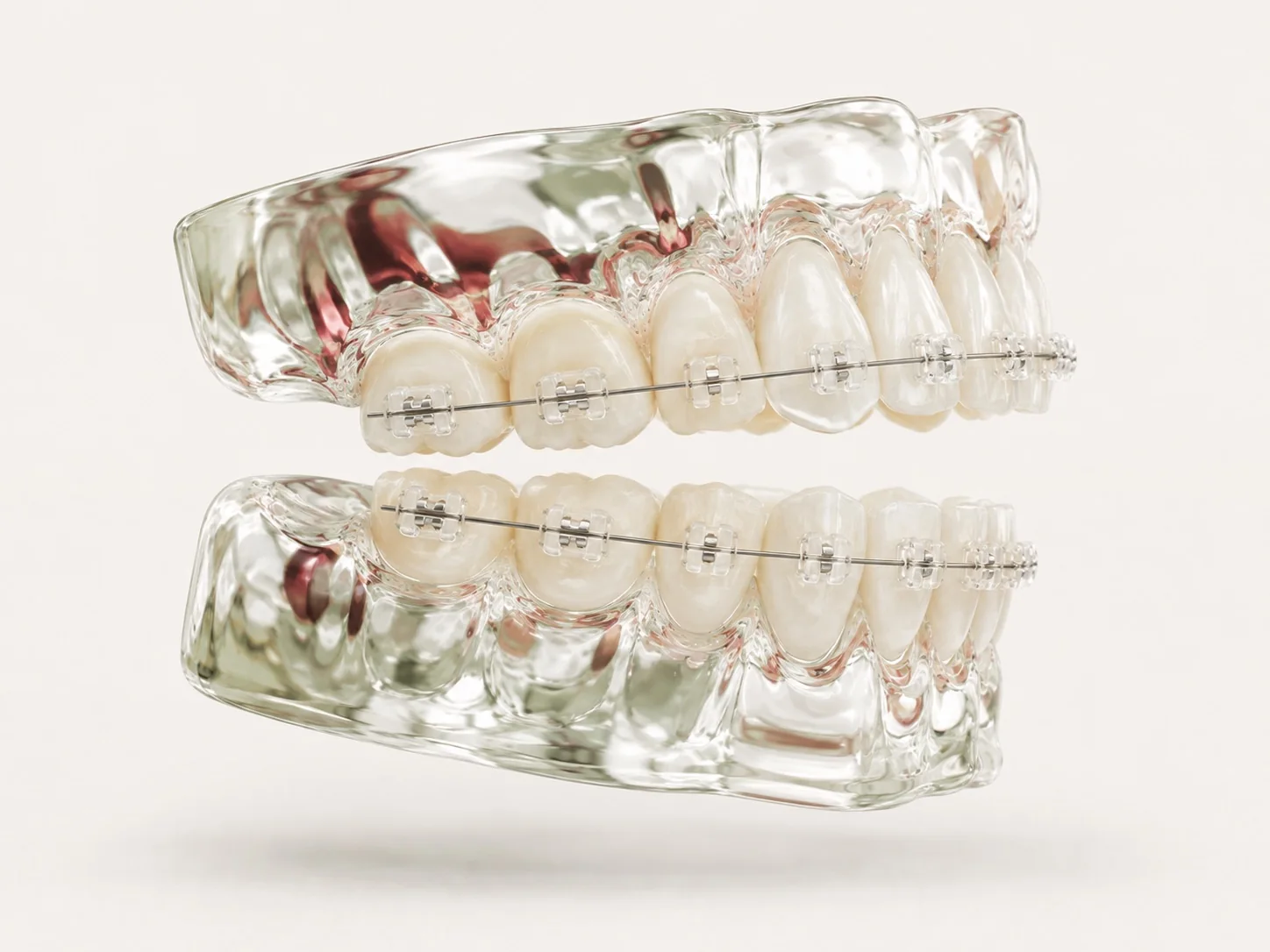
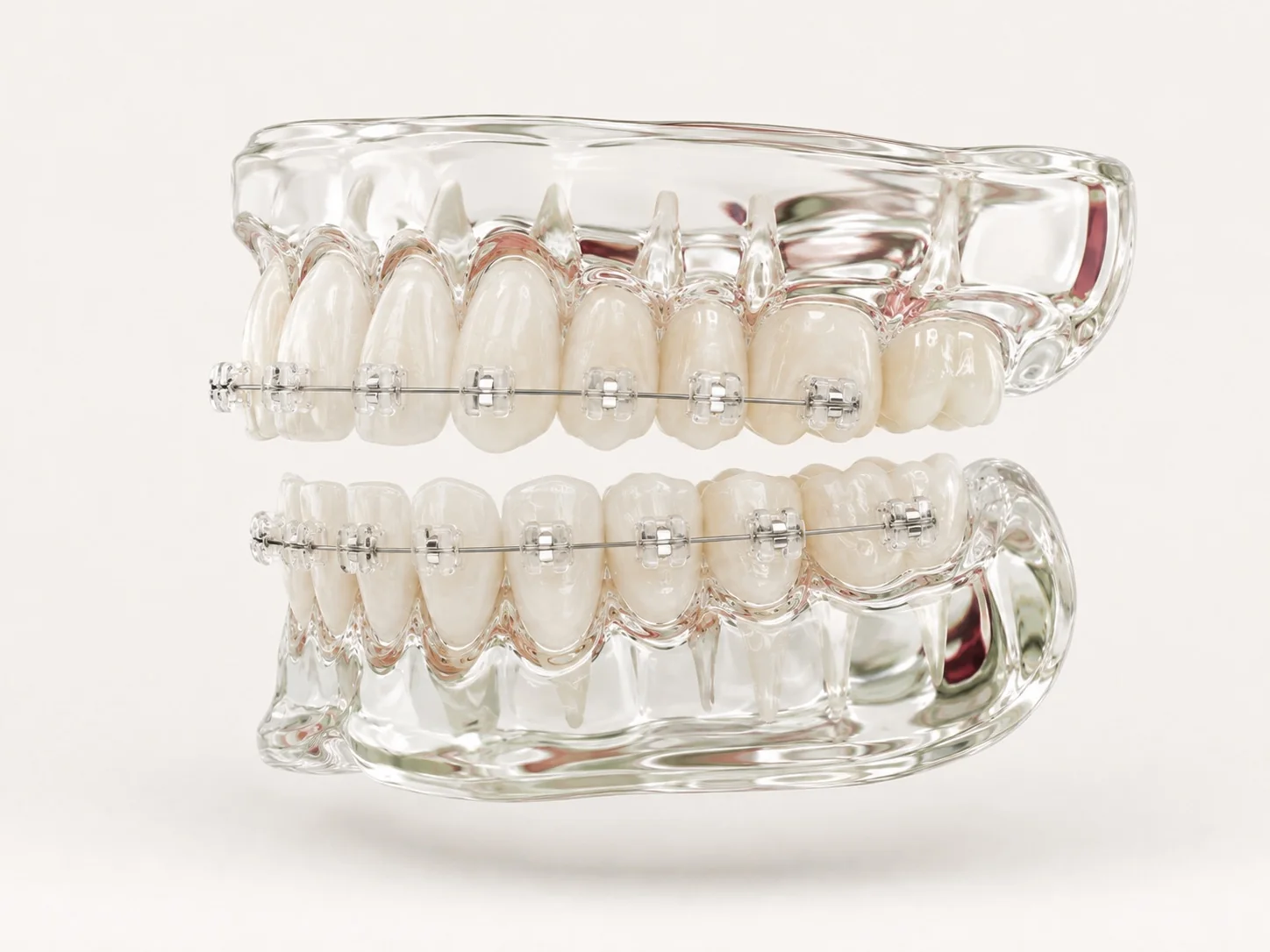
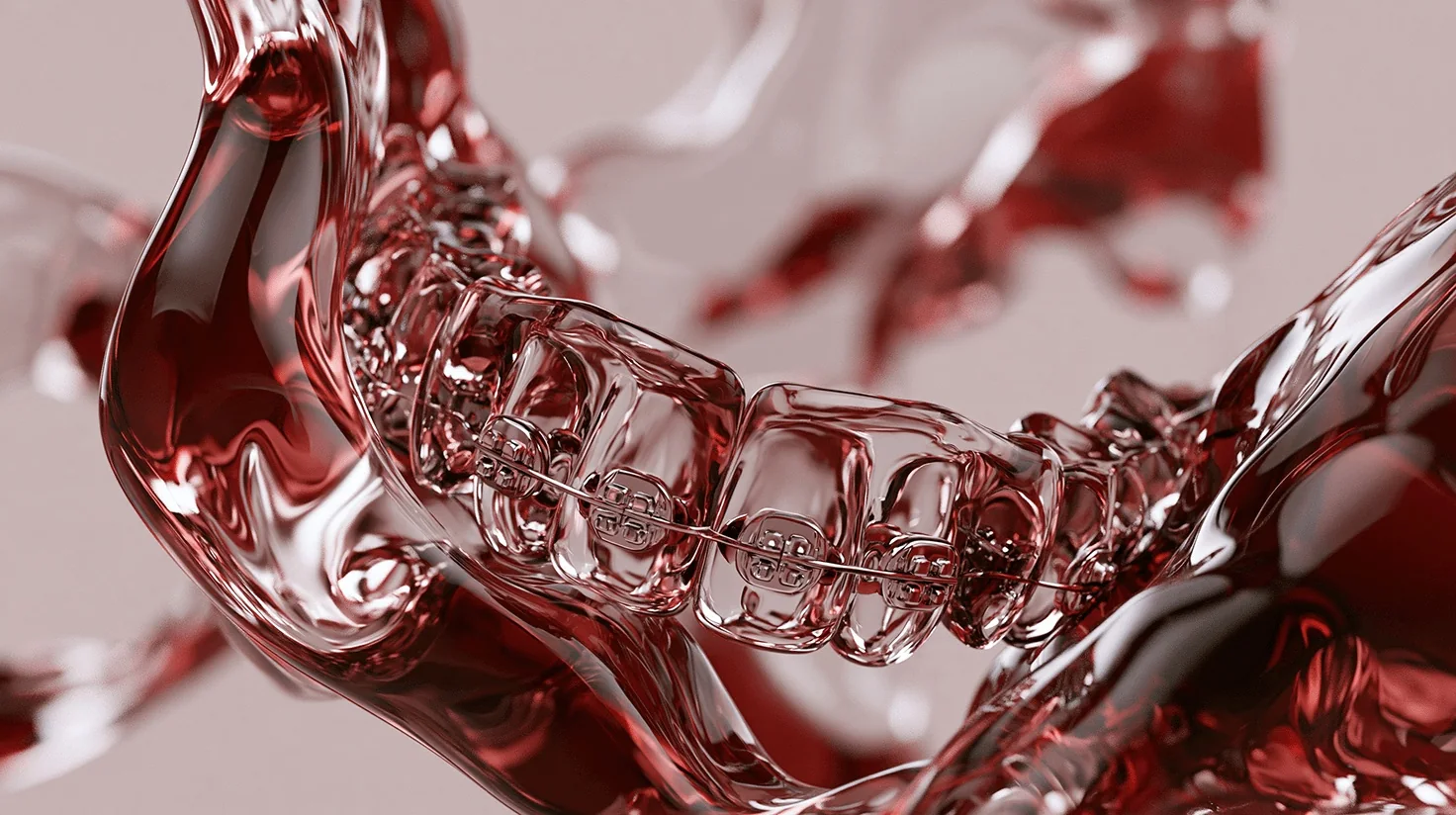
These images are representative studies prepared to explain the anatomy and treatment approach; they do not show a personal treatment plan or result.
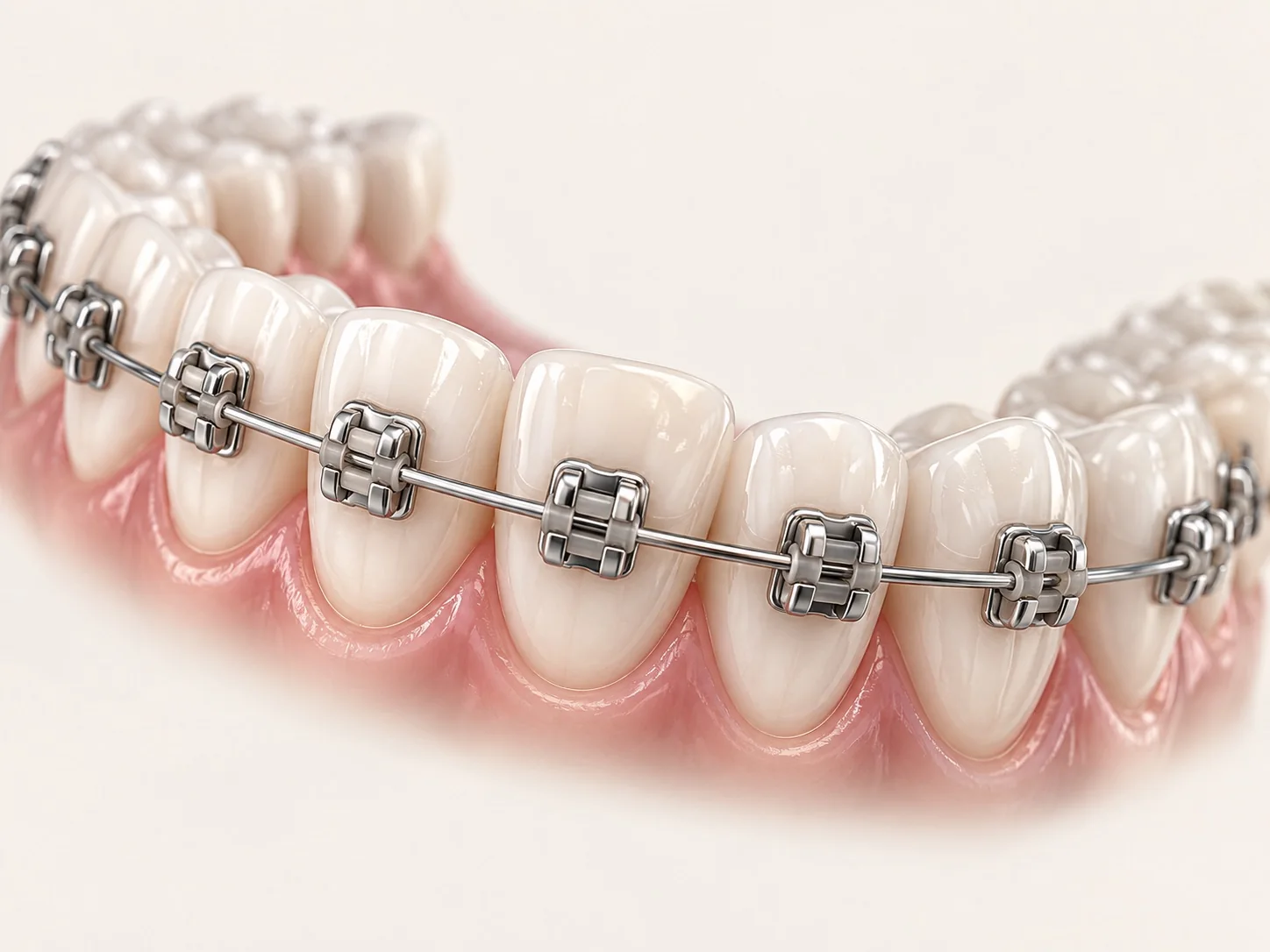
A representative detail study showing the relationship between the bracket and archwire on the tooth surface.
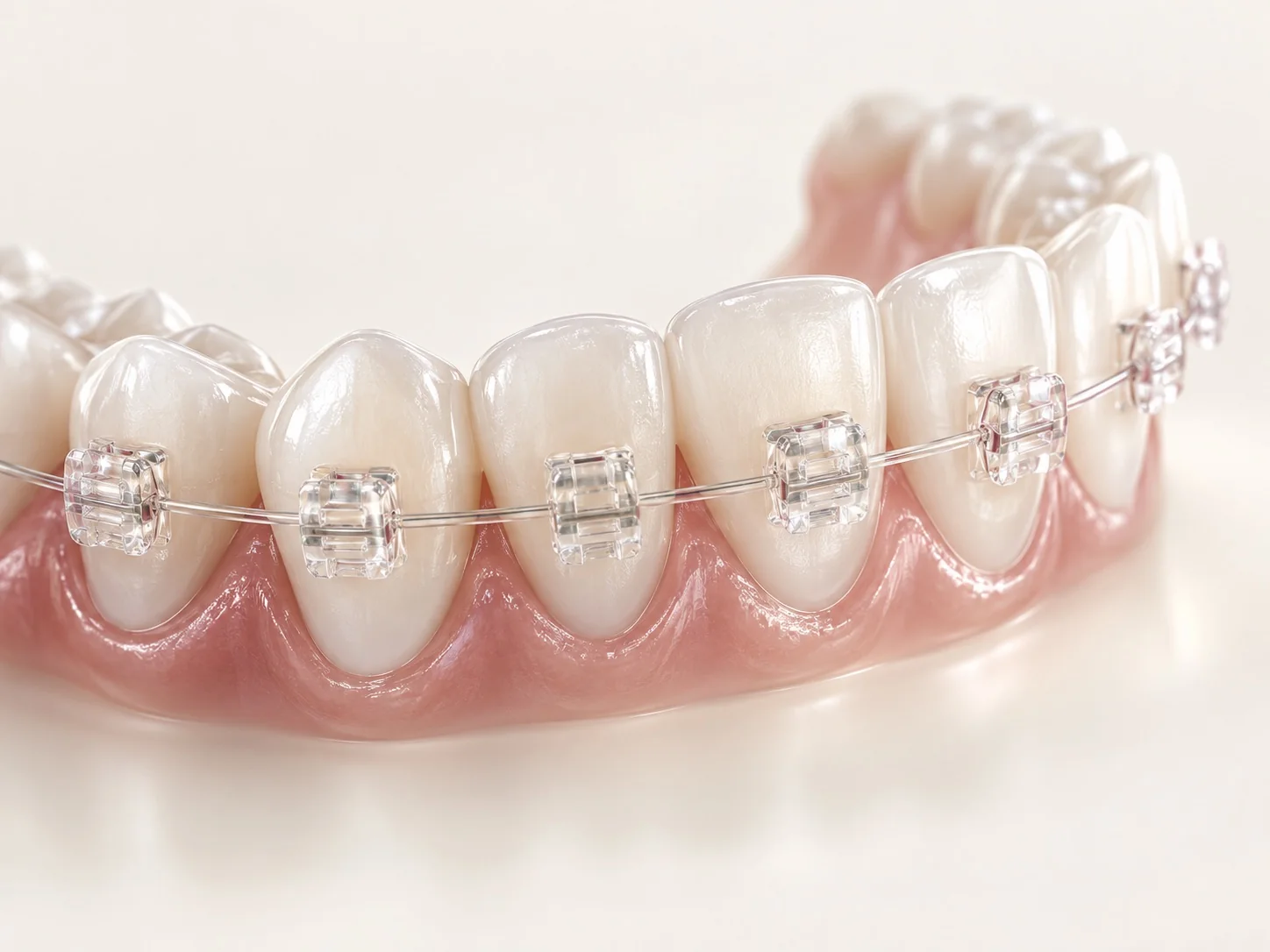
A representative study illustrating the visibility of bracket material closer to tooth color.
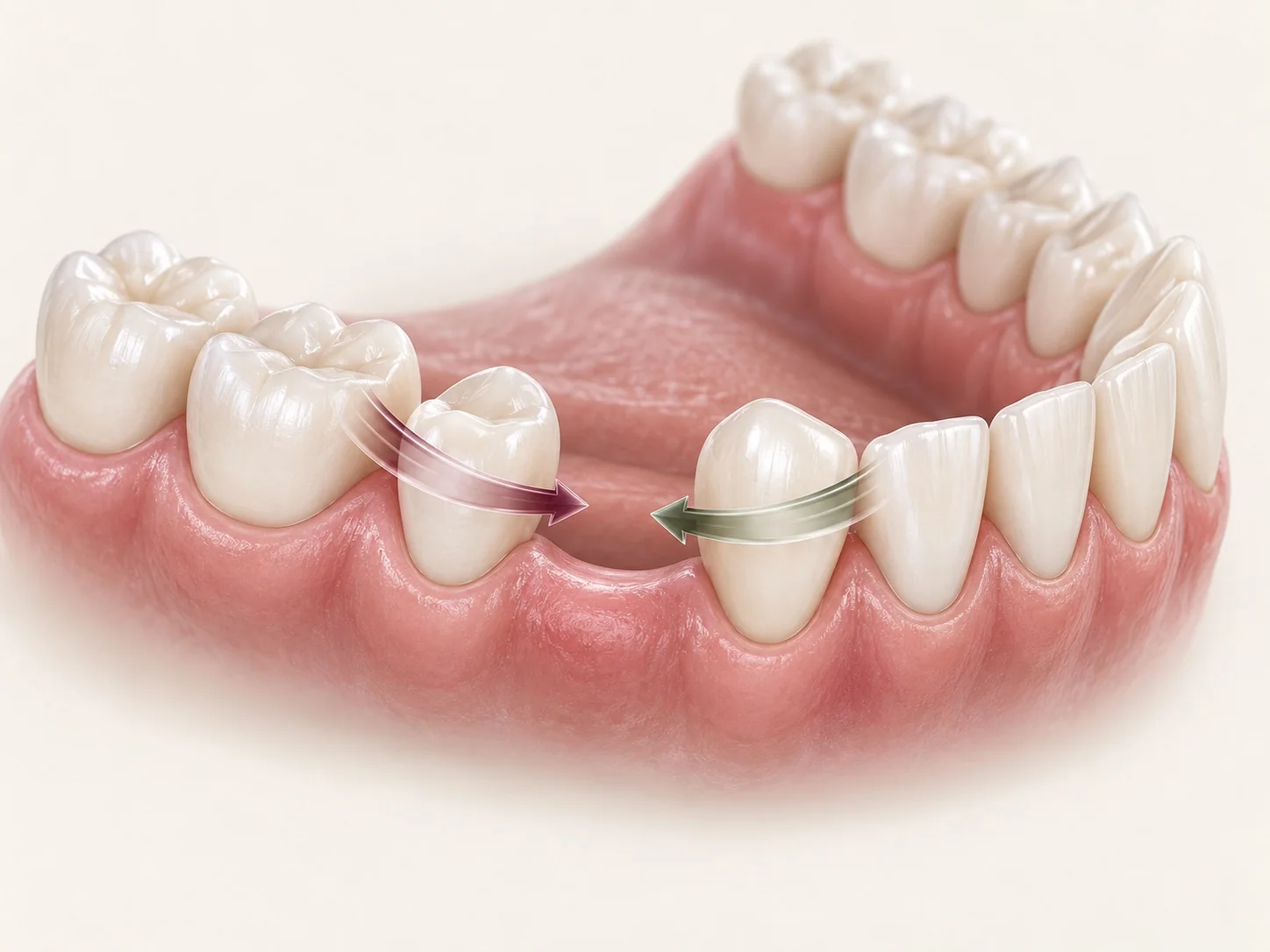
A representative model prepared to illustrate the orthodontic space-creation approach.
SITUATIONS IT MAY BE CONSIDERED FOR
PROCESS
Existing cavities and gum issues are treated; full oral hygiene is ensured.
Brackets are bonded to the tooth surface with precise positioning, and the archwire is placed.
At check-ups every 4–6 weeks, wires are changed, adjusted, or additional force elements (such as elastics) are added.
Once the ideal alignment is achieved, brackets are removed and the tooth surfaces are cleaned and polished.
FREQUENTLY ASKED QUESTIONS
Bonding the brackets is a completely painless procedure. When wires are first placed and at monthly tightenings, mild pressure and sensitivity may occur for 3–5 days.
On the contrary, a properly planned extraction-based treatment pulls protruding front teeth back, allowing the lips to close more naturally and improving profile aesthetics.
Hard, crusty, sticky foods (such as gum or caramel) should be avoided; oral care should not be neglected, using interdental brushes and orthodontic toothbrushes.
This content is for general informational purposes; it does not replace a personal diagnosis or treatment recommendation.